
Latest Blog
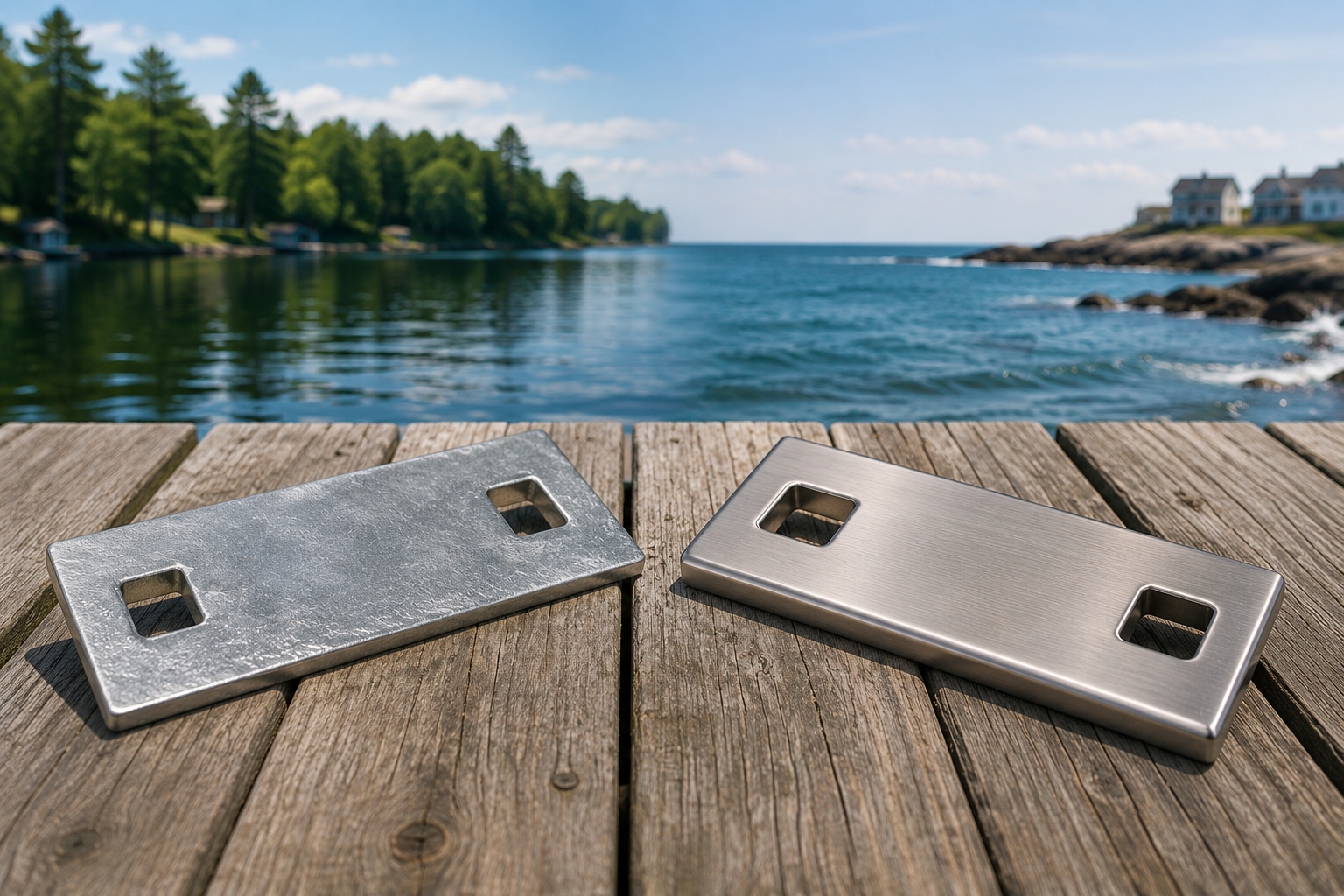
Galvanized vs. 316 Stainless Dock Hardware: Which Do You Need?
This gets treated as a budget question — galvanized if you're economising, stainless if you're not. That's the wrong frame. It's about chemistry, and for most people the answer is the cheaper one. Service life data for fresh and salt water, why 316 rather than 304, and why mixing the two is worse than either alone.

How Much Does It Cost to Build a Floating Dock?
Most cost guides give you a range like "$2,600 to $21,000" and leave it there. Here's what a floating dock actually costs — floats, lumber, hardware, freight, and the permit nobody mentions — with a cut list you can take straight to your lumber yard.
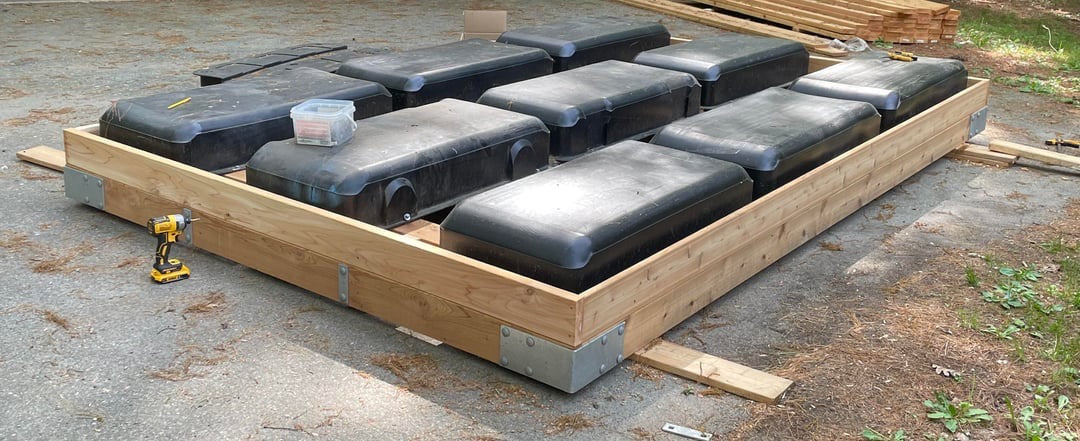
How Many Floats Does a Floating Dock Need?
Ask five suppliers how many floats you need and you'll get five different formulas. They're all shortcuts to the same thing — 12 to 14 inches of freeboard. Here's how to work out your own number, why rated buoyancy isn't usable buoyancy, and a worked example for a 4' x 16' dock.

How to Winterize and Remove a Floating Dock
Pulling the dock is the worst job of the year. It's also the only time you get a proper look at it — for eight months the frame is in the water and the hardware is underneath. Treat removal day as your annual inspection and the job pays for itself. Here's the decision, the sequence, and what to check while everything's on shore.
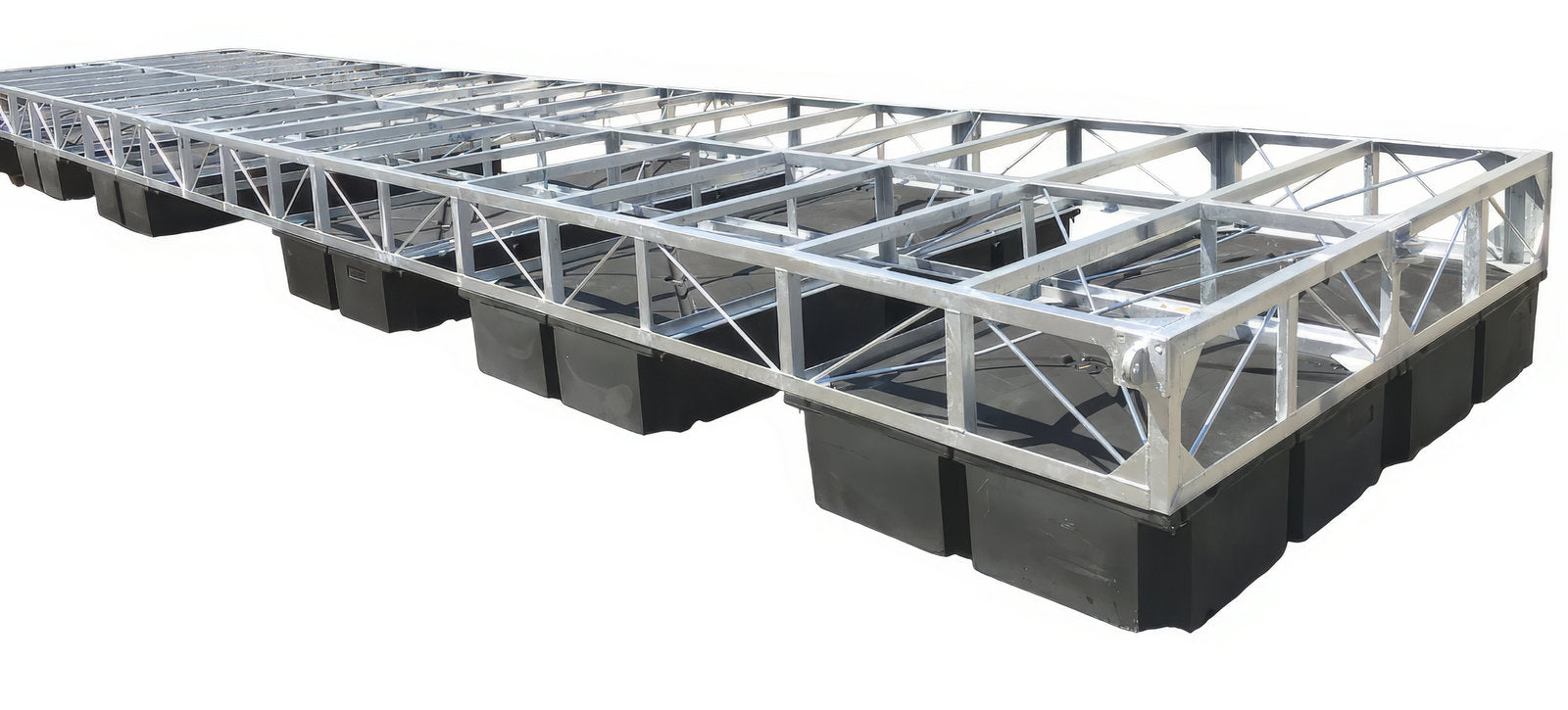
Aluminum vs. Galvanized Steel Dock Frames
Aluminum truss docks are light, rot-free, and need no sealing - real advantages, and anyone who says otherwise is selling something. But steel has a fatigue endurance limit that aluminum doesn't, and a dock in moving water is a continuously cycled structure. Here's what that means for your site, and where each material earns its place.

Customer Build Spotlight: DIY Floating Dock with the Dock-in-a-Box Kit
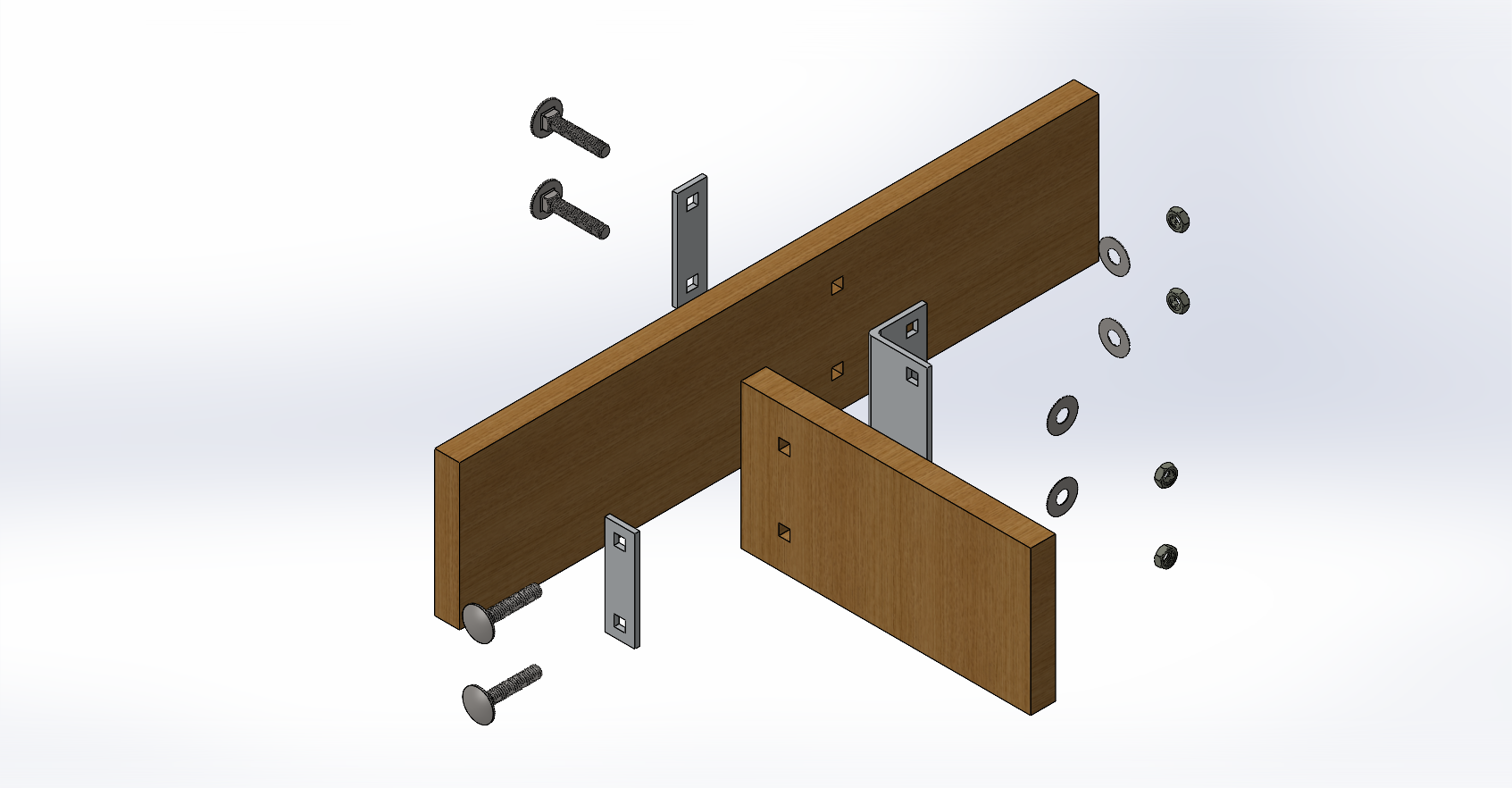
How to Install Dock Joists the Right Way (and the Hardware That Makes It Easy)
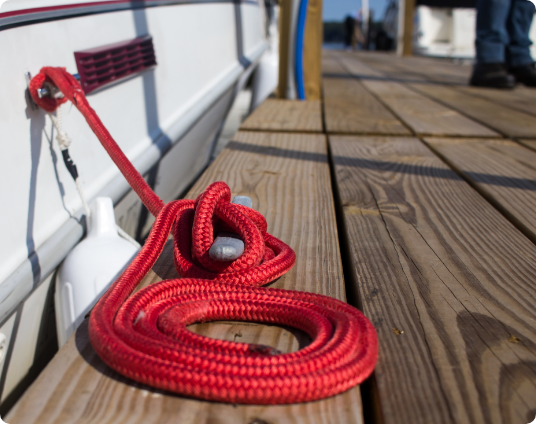
The Benefits Of Using Galvanized Steel For Your Boat Dock